
Programme
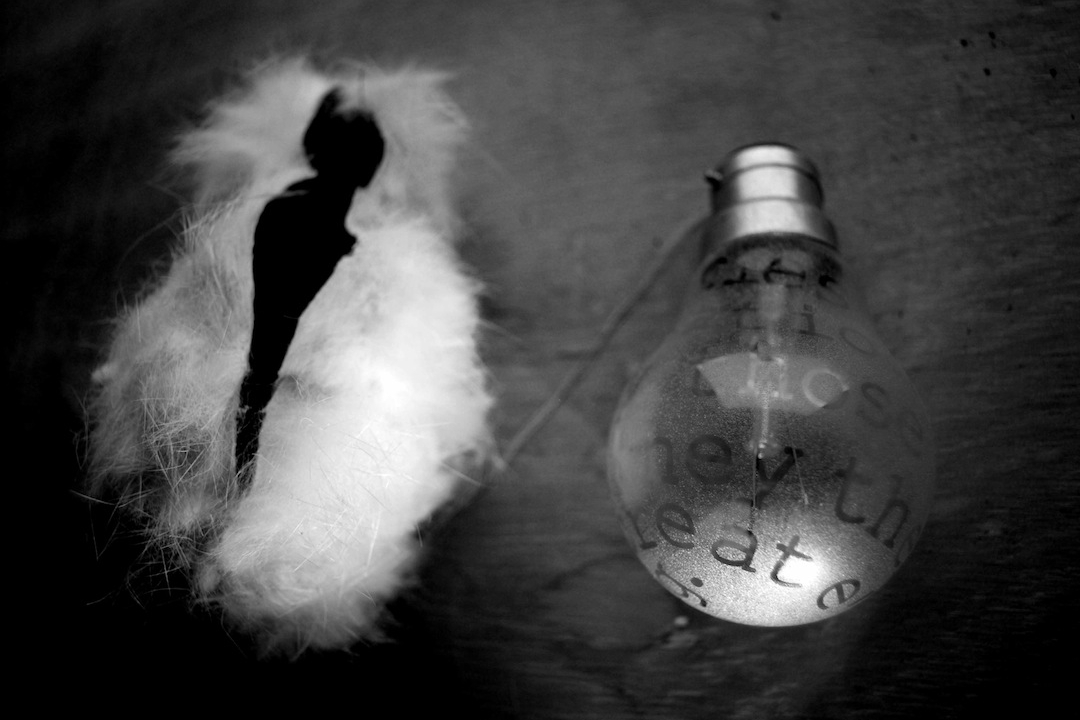
Extinct Like Us
Extinction takes many forms. Our species has an internal evolutionary struggle separate to the biological, within our cultures is an additional evolutionary process. This is the struggle for survival that complex conceptual organism take part in when we exchange them in dialogue. This intercourse is the breeding ground for further conceptual organisms. At the micro-biological level viruses pass from host to host on the back of physical material, the conceptual organism uses a similar process but its material is not corporeal rather rhetorical. As ideas are exchanged between individuals certain preconceived notions pervade through complex systems akin to life itself, these systems are the many different forms of logic humankind uses in everyday mundane reality. Some more successful concepts last generations, others are inherently linked to how we have come to define ourselves as human and predate history, others still fail to pervade and simply fall into the category of forgotten/extinct.
The work shown as part of Extinct Like Us covers vast areas which fall into the redundancy of cultural assumptions. The artefacts here highlight a varied array of aspects within the original brief but are linked through a common ground interpretation of failure and extinction in its many forms. Some of the works show something from our relatively recent history while others take the stance of the purely prophetic. Both the prophetic stance and the referential stance lead to questions about what we assume today, what models of thought will persist and which will fail. The use of nostalgia today akin to the afterlife for previous methods and systems which were once thought to be integral but through the annals of time prove to be deciduous. Nostalgia itself proves to be a successful conceptual interpretation in that it permeates far beyond a point where any individual consenting to it has any first hand experience of the object or theme. What we relate to instead is an anecdotal virus, parasitic of our contemporary attitudes. Although this nostalgia could act as a parable for contemporary and future living, through these concepts we learn what was successful for the uses of society and what proved only suit a particular era’s requirements. In this manner the concepts shed by a particular culture persist as artifacts waiting to be unearthed for the sake of a critical reflection on what we as a species are and where we are destined to go. This is not for the sake of glorifying nostalgia in and of itself, but by examining through the reflections within this show what is extinct today, we might have an idea of what may be extinct tomorrow.
Admission is free and all are welcome.